7 Financial Emergencies Nobody Plans For and How to Prepare

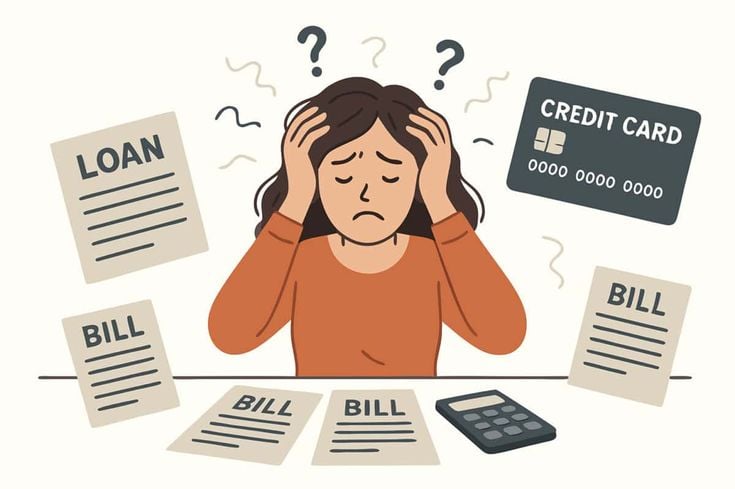
Nobody wakes up in the morning expecting their car to break down, their salary to be delayed, or an unexpected medical bill to land in their hands. But such things do occur daily.
Financial emergencies are hard to come with, as they are just that, unexpected. Even with a well-planned budget, you can still land in a situation where you have an unexpected expense.
One of the most common is a medical emergency. Beyond the insurance, you might have extra expenses like transportation, medication, consultations or treatment that didn't come to mind while you were setting up your budget.
Then there are urgent family responsibilities. You might have to provide support to a relative, or be in need of a trip for family reasons. These costs are emotionally challenging as it may feel like a choice isn't possible.
Losing a job or not being paid on time can also be a huge financial burden. If you earn nothing but through your salary, a few days without work could impact your rent, food, bills, loan payments, and more.
Unexpected expenses can also come out of your home and car. If your roof leaks, your appliance leaks, there's a big plumbing issue or your vehicle needs to be fixed, you can easily blow through money that is intended for other things.
For business owners, an emergency could look completely different. The large customer may be a month slow on the payment, equipment may go on the blink, or sales can simply drop out. Even a short-term interruption can be challenging without financial support.
The good news is that while you cannot predict every emergency, you can prepare for many of them.
Start by building an emergency fund. A lot of money isn't necessary to start with. The idea is to establish a pattern of saving regularly until you have a significant amount of money saved for several months of living expenses.
It also helps to know exactly how much you need to survive each month. Calculate your basic costs (rent, utilities, school costs, insurance, transport, minimum debt repayments and food costs). This will help you get a sense of what your emergency fund should eventually fund.
Another important step is to avoid treating your emergency savings like ordinary spending money. If you always have it for entertainment, shopping or planned costs, you will be in trouble when an actual emergency arises.
Financial preparation does not mean expecting bad things to occur. It's all about providing yourself with choices when it does.
You cannot control when an emergency will arrive. But when it does, you can be sure you're not beginning from scratch.
Comments
Join the discussionNo comments yet. Be the first to comment.