How to Create a Debt Repayment Plan That Actually Works
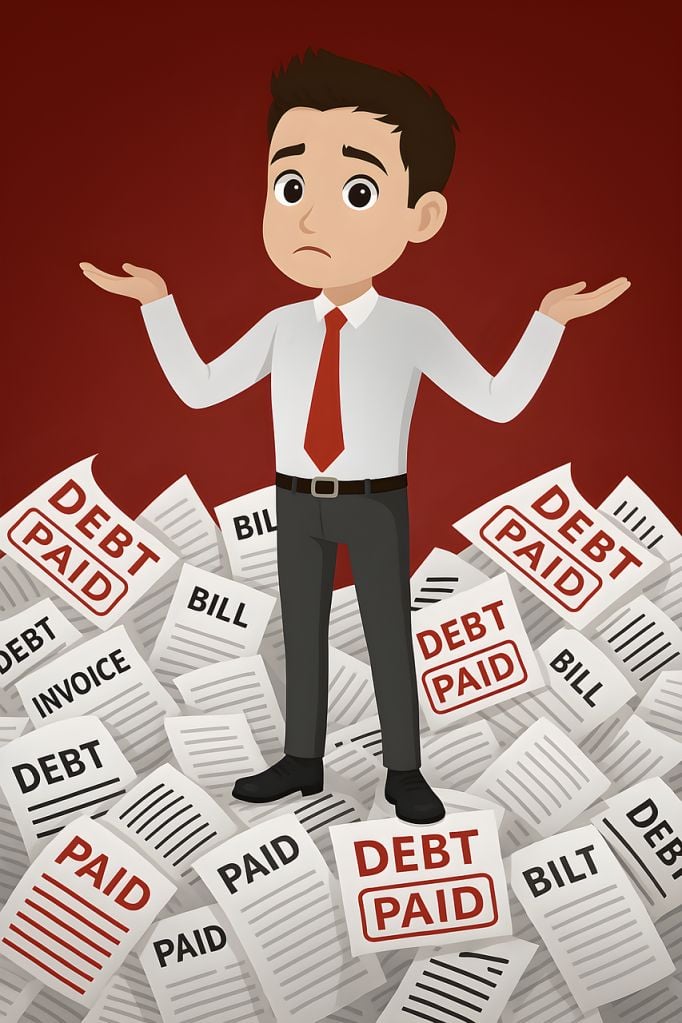
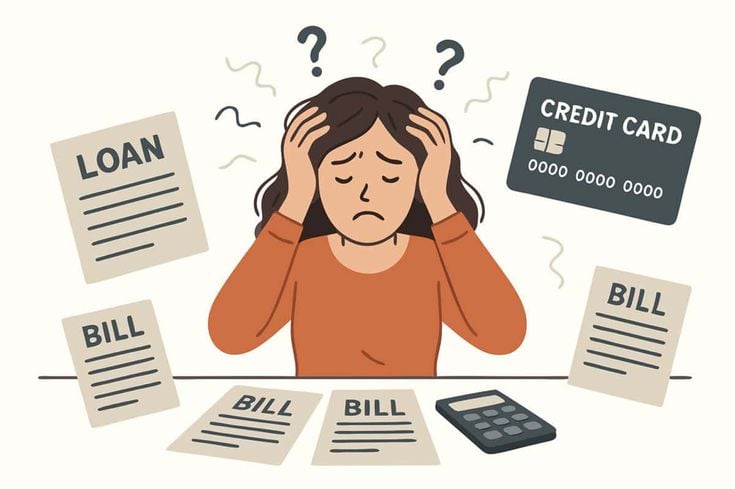
When you have several debts to repay, it can feel as though your entire salary already belongs to someone else before it even reaches your account. There is a loan installment due next week, another payment waiting at the end of the month, and everyday expenses that refuse to pause while you sort out your finances.
The easiest response is to pay whatever you can and hope things improve. However, without a clear plan, it is easy to miss due dates, underestimate your total debt, or keep borrowing to cover the gaps.
A realistic debt repayment plan can help you understand what you owe, decide what to prioritize, and measure your progress.
Start by writing down every debt you currently have. Include the outstanding balance, interest rate, minimum repayment, due date, and any applicable charges. Do not leave out money borrowed from friends or family. Seeing everything in one place may feel uncomfortable at first, but it is better than making financial decisions based on guesswork.
Next, calculate your monthly income and essential expenses. Including rent, food, transport, utilities, school expenses, and other necessities. Then work out how much you can realistically afford to put towards debt without leaving yourself unable to meet basic needs.
Once you know your available amount, decide how to prioritize your debts. One option is the debt avalanche method, where you make the required payments on all your debts and direct any extra money towards the debt with the highest interest rate. This can reduce the total interest paid over time.
Another option is the debt snowball method. You continue making required payments on all your debts while putting extra money towards the smallest outstanding balance. Clearing a smaller debt first can give you a sense of achievement and motivation to continue.
Neither approach is automatically best for everyone. Consider the interest rates, repayment conditions, overdue accounts, and your personal circumstances. If you have missed payments or debts attracting significant penalties, contact your lenders to understand the most urgent steps to take.
You should also make your plan realistic. Promising to repay half your salary may sound impressive, but if it leaves you without money for transport or groceries, you will probably struggle to maintain it. A plan you can follow consistently is more useful than an ambitious plan that collapses after two weeks.
Whenever possible, reduce unnecessary spending and direct the money saved towards your repayment goal. Avoid taking on additional borrowing unless it is necessary, and you have carefully assessed the total cost. If your income changes, review your plan instead of abandoning it completely.
Finally, track your progress every month. Record how much you have paid, how your balances have changed, and what you can improve. Celebrate milestones without using them as an excuse to increase spending.
Paying off debt takes patience, particularly when you have several obligations competing for your income. But you do not need to solve everything in one month. You need a clear starting point, a manageable strategy, and the discipline to keep going.
A good debt repayment plan does more than help you clear what you owe. It helps you rebuild confidence in your finances and work towards a future where more of your income belongs to you.
Comments
Join the discussionNo comments yet. Be the first to comment.