The True Cost of Ignoring Debt and Why Paying It Off Early Matters
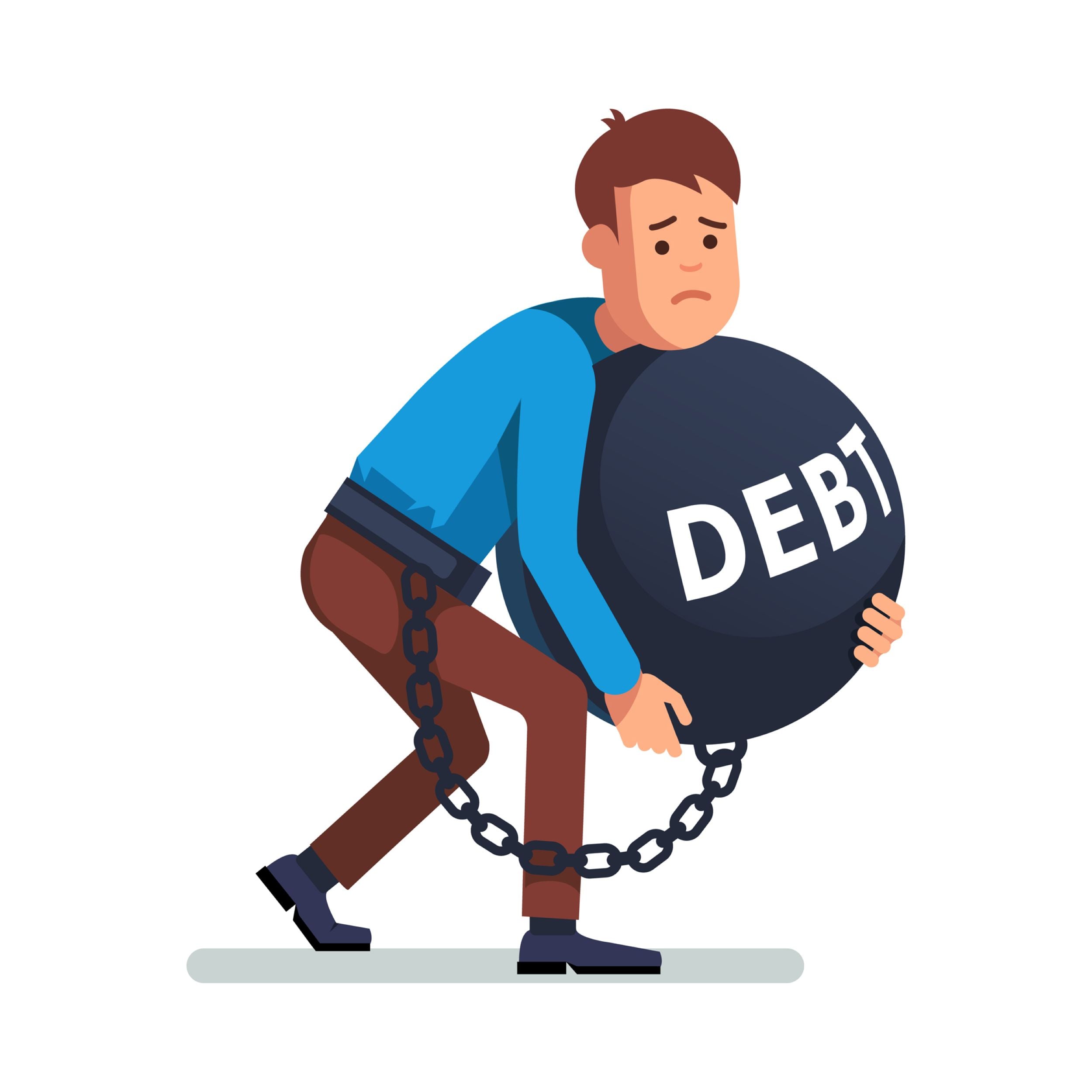
Ignoring debt might feel like a temporary escape from financial stress, especially when money is tight. You may avoid checking your loan balance, silence calls from lenders, or tell yourself you will deal with everything when your next salary arrives. For a little while, this can feel easier than facing the problem. Unfortunately, debt rarely disappears simply because you stop thinking about it.
One of the biggest costs of ignoring debt is the possibility of additional charges. Depending on your loan agreement, missed payments can attract penalties, additional interest, or other applicable fees. What started as a manageable amount can gradually become much harder to repay. The longer you wait without addressing the situation, the more difficult it may be to get back on track.
Debt can also affect your credit history. In Kenya, lenders may use information from Credit Reference Bureaus, commonly known as CBs, when assessing credit applications. Unpaid or overdue credit obligations may affect your credit record, depending on how the account is reported. This could make it more difficult to qualify for future financing or lead to less favorable lending terms.
There is also the emotional cost. When debt becomes overwhelming, it can affect your sleep, relationships, concentration, and confidence. You might find yourself constantly worrying about payday, borrowing from one person to repay another, or struggling to cover everyday expenses because too much of your income goes towards existing obligations.
The good news is that taking action early can make a meaningful difference. Start by listing every debt you owe, including the outstanding balance, interest rate, repayment amount, and due date. This gives you a clearer picture of your situation and helps you decide what needs attention first.
If you cannot afford a scheduled repayment, contact your lender before the situation gets worse. Explain your circumstances and ask whether a manageable repayment arrangement is possible. Do not assume that missing payments without communication will make the problem easier to resolve.
You should also review your spending and identify areas where you can free up money for repayments. Even a modest additional payment can help, depending on the loan terms and how payments are allocated. Avoid taking out another expensive loan simply to postpone dealing with the original debt.
Most importantly, do not let embarrassment keep you from taking the first step. Many people experience financial difficulties at some point. What matters is how you respond to them.
Debt becomes harder to manage when it is ignored, but facing it gives you the opportunity to understand your options and regain control. You may not clear everything overnight, but every informed decision can move you closer to financial stability.