How to Stop Living Paycheck to Paycheck and Start Building Financial Stability

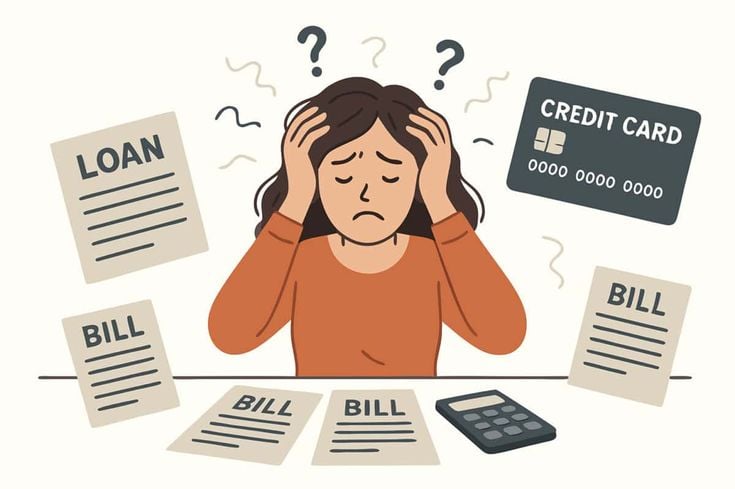
For many people, payday feels like a reset button. Your salary arrives, and your bills are paid, a few things are taken care of, and for a fleeting moment, you feel in control. Soon after the money comes in, it is gone. The wait for the next payday begins, and the cycle continues, month after month.
If you find yourself in this situation, you are not the only one. Whether they have a low or high income, millions of people are living paycheck to paycheck. Although income is important, more often than not, financial stability is determined by habits, not just paychecks. The good news is, it can be done with purposeful and consistent choices.
The first step is to know where your money goes. People tend to think that they are spending too much when, in fact, they are failing to see where their money goes. It is easy for little things like a daily coffee, food delivery, subscriptions, impulse spending, and online shopping to eat up a lot of your money over time. If you can keep a record of your spending for just a month, you will discover patterns you were not aware of.
After you have a solid understanding of your spending, make a budget that is in line with your reality, not an ideal reality. You should allocate the money you need to pay for necessary costs, money for fun, and money that you need to save. Attempting to make a very strict budget may cause frustration and ultimately failure.
One of the other critical points is to create an emergency savings account. For people on the edge of making their monthly pay last, one unexpected cost is sufficient to drive them into debt. Having none saved for a medical bill, a home repair, or a car breakdown could completely throw your finances off if the need arises. You do not need to save a huge amount immediately. Build your emergency fund gradually, making smaller regular deposits.
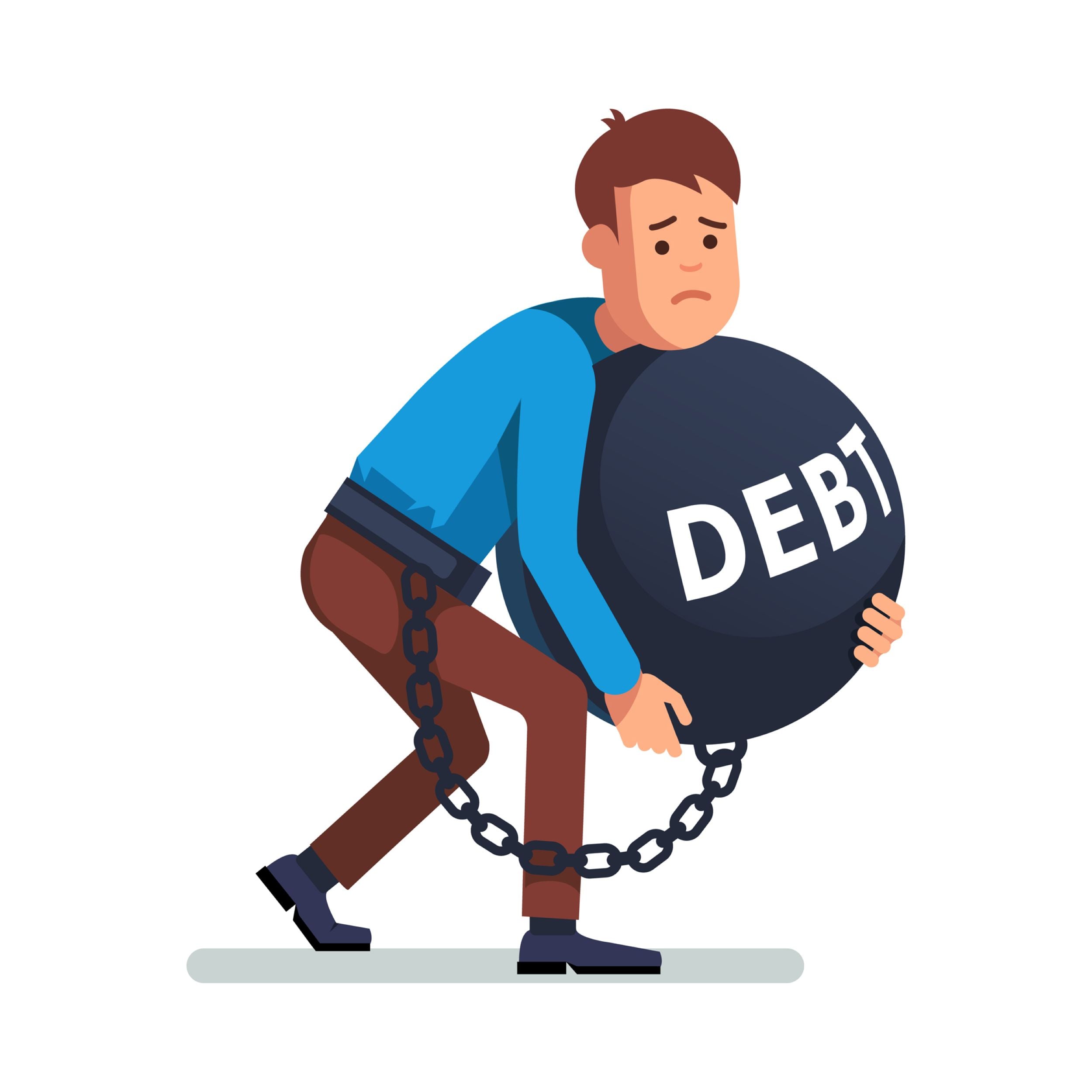
It is also worth taking a closer look at your debt. When you have high-interest debt, it can take a surprising amount of your paycheck to cover the payments, and you may not even realize it is happening. Pay more than the minimum amount possible, particularly on loans or credit facilities where the interest rates are highest. Any savings that you make on any balance equals additional breathing room in your monthly budget.
Another reason people struggle financially has to do with lifestyle inflation. The more people make, the more they tend to spend. The additional money brings about a larger home, a newer cell phone, extra monthly food, or more dining out. When your income rises, do not immediately upgrade your lifestyle, instead save or invest more. You will be happy you did.
Planning is also crucial for financial stability, something other than the next payday. Have clear money goals and make money do something. Whether you want to buy a home, start a business, travel, or retire comfortably, having specific goals makes it easier to stay disciplined and avoid unnecessary spending.
Of course, the most crucial habit is the ability to delay gratification. If you have almost everything you can get at your fingertips, waiting will make you one of the ultimate skills you will have. If you are tempted to make large purchases, give yourself a day or two before, which can help you determine if it is a need or a want.
Building financial stability does not happen overnight. It is a culmination of hundreds of little decisions over time. Every expense you plan, every unnecessary purchase you avoid, every debt you reduce, and every amount you save brings you one step closer to financial freedom.
It is not just about making it to the next payday. The aim is to get to a place where your cash provides you options, as opposed to stress. By developing the right habits and adopting a long-term perspective, it is possible to escape the paycheck-to-paycheck cycle and begin living a life that feels secure, stable, and financially confident.
Comments
Join the discussionNo comments yet. Be the first to comment.