Small Money Habits That Can Make a Big Difference by Year End

When people think about improving their finances, they often imagine making dramatic changes. They think they should require a much higher salary, a successful side business, or significant investments to achieve results. Those factors can definitely contribute, but financial success is often achieved by taking small steps that are done over a long period of time.
Think about it this way. Making minor changes in your financial behaviors daily can add up to major benefits at the end of the year. The challenge isn’t in finding one life-changing strategy. It’s all about being consistent with simple habits that are easy to keep.
One of the most important habits is keeping track of how you spend your money. There’s no need to use a complicated spreadsheet or pricey budgeting software. Knowing your weekly spending can alter your financial decisions. Once you know how you’re spending that money, you’ll be able to easily see that there are some things you don’t need to be doing and that you can save on them instead of spending them.
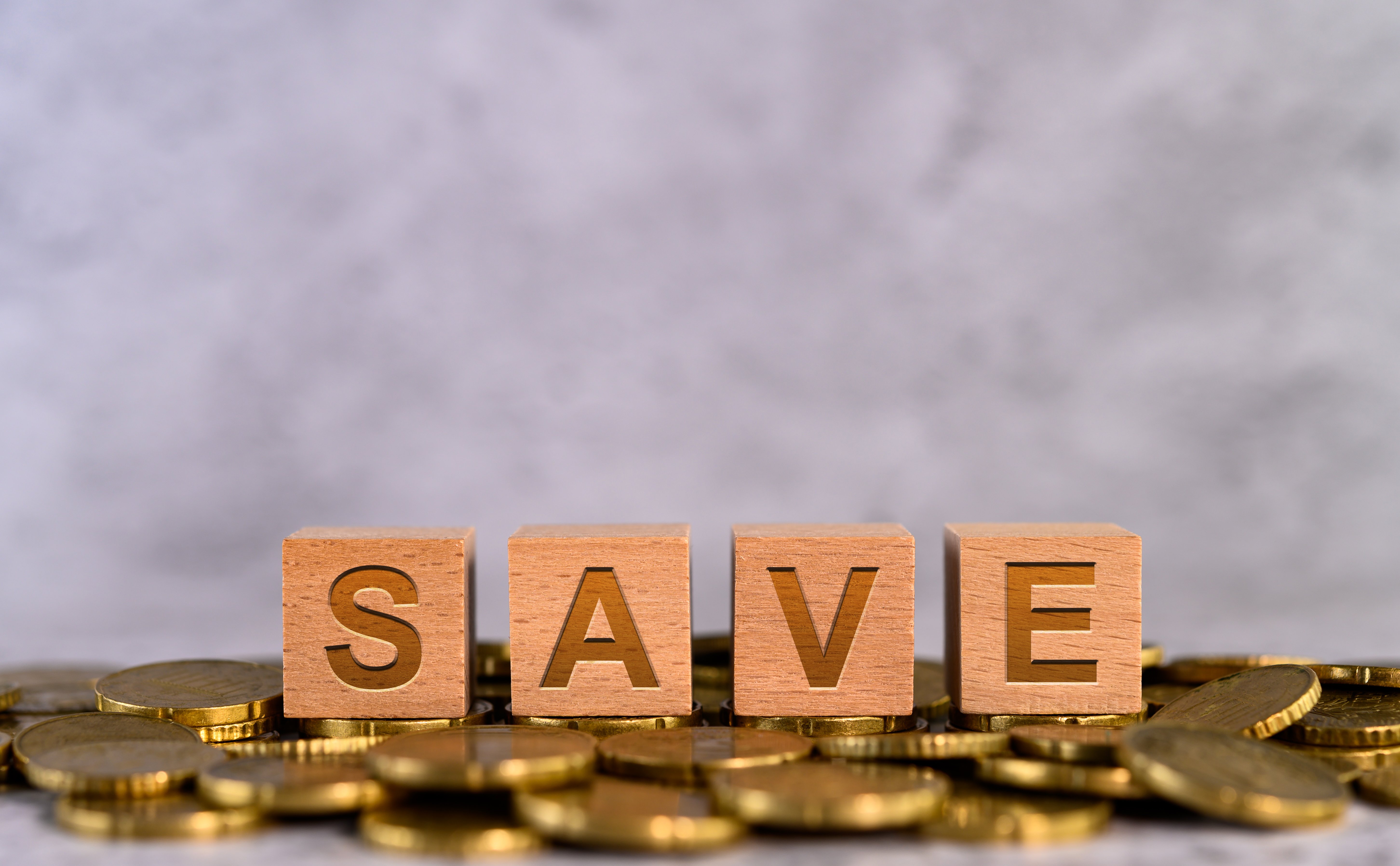
One of the most surprising habits that can have a huge impact is paying yourself first. Don’t wait until the end of the month to see if you have any money left over; save some of your paycheck right away. If it seems like a little, it can still add up if it’s done frequently enough. It’s a good habit to save a little each month, and over time it establishes financial security.
Learning to pause before making purchases is another habit that can transform your finances. At this time, we are in a world where it takes a few seconds to make a purchase. When you give yourself 24 hours to purchase non-essential items, you have time to ask an important question. Do I truly need this, or am I just purchasing it because it feels good in the here and now? After a short while, you will find that you no longer need all the purchases.
Another easy tip to save more cash than you think is to review your subscription periodicals every couple of months. People are still paying for streaming services, premium apps, memberships, and digital devices that they don’t use very often. These little-and-often payments can easily be overlooked but can add up to a large sum over the year.
Another smart habit is setting small financial goals instead of overwhelming ones. You don’t need to make a radical change in your financial system all at once. It’s much easier to save money for your first emergency fund, or pay off one loan, or cut down on unessential spending by a tiny bit. Making a goal gives you confidence and encourages you to try again.
It’s also a good idea to audit your finances once a month. Take some time to review your income, expenses, savings, and progress toward your goals. This simple exercise can alert you to issues early and allow you to make improvements before any more significant financial setbacks occur.
Last, but not least, make investments in financial knowledge. The more you learn about how to manage your money and debt, as well as financing and investing, the better-informed decisions you’ll make with your money. The more you know about money, the more confident you’ll be in managing it.
It’s not always a single financial choice that builds wealth. It’s about making the right decision at the right time – all the time. It might sound like a boring thing to do, but the small things add up. At the end of the year, you might find that the things you didn’t care much about now are the things you have more savings, less debt, and more financial confidence about.
Finance improvement time is not when you get more money. It’s when you begin to make better financial moves with the money already in your pocket. Little behaviors done consistently will lead to big rewards in the future.
Comments
Join the discussionNo comments yet. Be the first to comment.