The Hidden Cost of Delaying Loan Repayments and How to Get Back on Track

Missing a loan repayment may not seem like a big deal at first. Life happens. The unexpected expense arises, or your business slows down or your paycheck is just stretched too thin. You say to yourself you will catch up in the following month. Then the following month comes, and it's the same story. What began as a minor delay has turned into a vastly larger financial problem before you know it!
For many, the idea that they forfeit the highest penalty is the greatest impact of late repayments. Penalties can mount up, but the true price can be much more profound. Problems with repayments may impact on your financial flexibility, your ability to borrow in the future and your general financial wellbeing after the payment itself.
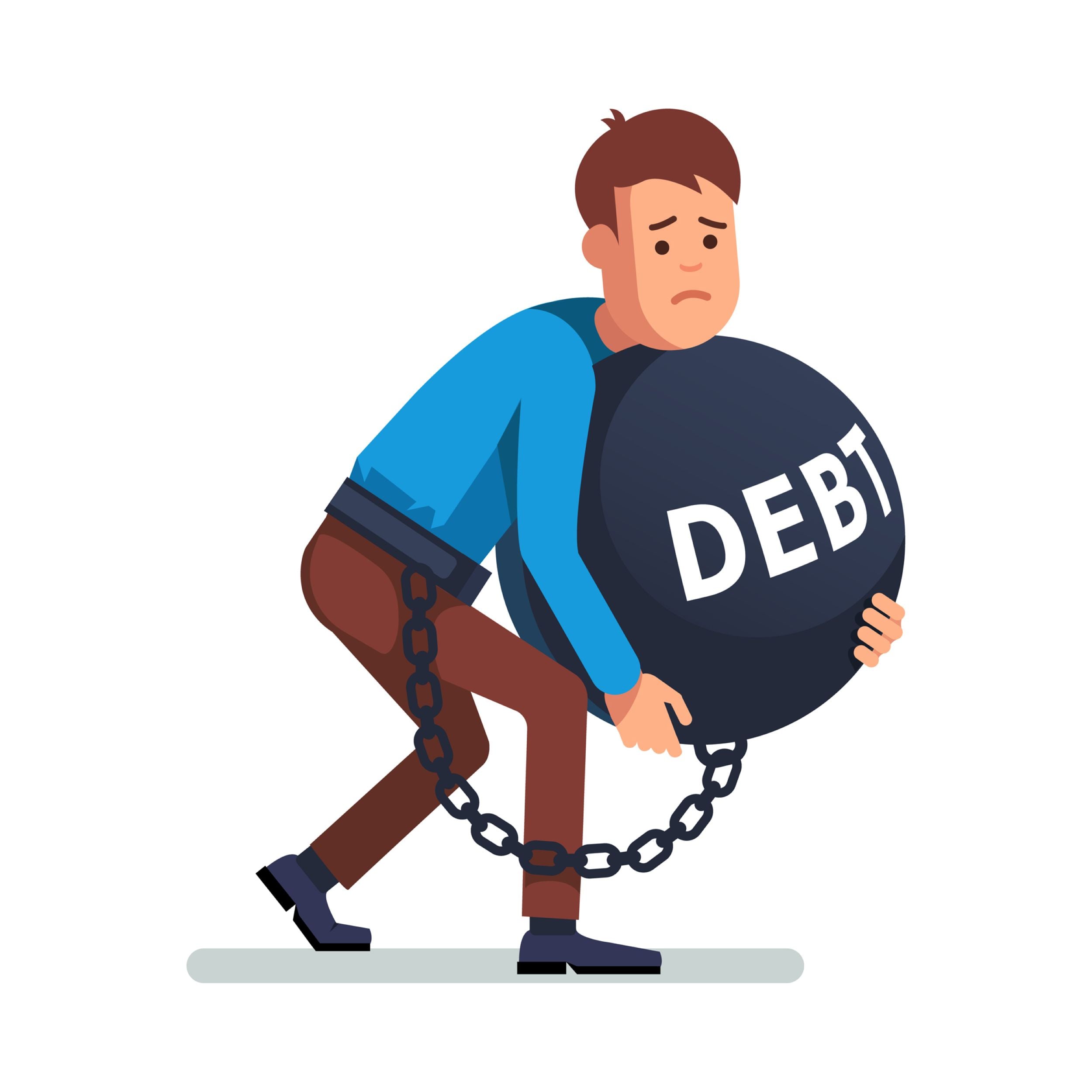
The most obvious impact of late payments is the extra expenses that build up. The interest continues to roll, penalties may be imposed, and the amount ultimately due might end up greater than the borrower anticipates. A small sum that would've been raised with one payment is now an even bigger amount that seems more unmanageable to pay back.
In addition to the financial burden, late payments can also affect your credit record. A poor repayment record is a major source of concern for lenders. If you have not settled your accounts or paid your bills on time, this could have an impact on your future loan applications. Your repayment history can be especially significant in the decision-making process when it comes to financing a business opportunity, an emergency expense or a significant life objective.
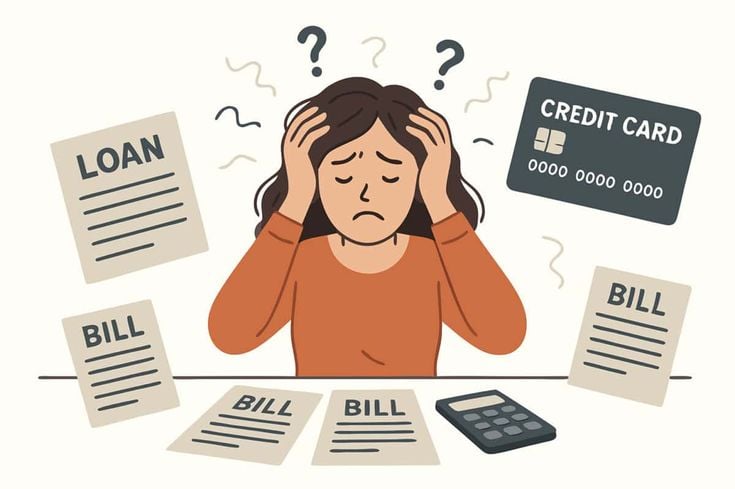
The effect can be more than monetary. Owning money can cause a lot of stress and anxiety. A lot of people don't check their balances, don't pay attention to lender emails or letters, or ignore the issue because they feel overwhelmed. But, unfortunately, avoiding the situation can make it worse. It can be harder to get back on track the longer a repayment issue goes unresolved.
The good news is that falling behind on repayments does not mean your financial future is ruined. People who get a setback realize that they can get back on their feet, and they do so successfully when they take action early. The first step is to take a realistic look at the situation. Know how much you have to pay, what you have been charged and what still needs to be paid back.
Next, you should look closely at your finances, and establish a realistic repayment plan. Identify some ways that you can cut costs short-term to free up cash to pay off the debt. Even a little more than that on a payment could help to pay down debts and prevent the situation from getting worse.
Communication is also vital. Contact your lender immediately if you are having trouble making the payments. Many times a lender would prefer to deal with a borrower who is proactive and transparent rather than one who just doesn't come back at all. Taking early action to explore options can help avoid further problems and provide a way forward that is easier to cope with.
It is also important to focus on preventing future repayment challenges. Having an emergency fund, keeping a realistic budget and borrowing within your means can all help to lessen the likelihood of falling behind again. Financial stability isn't a matter of never experiencing a failure. The key is to have a plan in place for dealing with them if they arise.
Loan repayments aren't just monthly payments. They play a role in your overall financial reputation and health. Being disciplined with repayment can present opportunities for further opportunities, and consistent failure to pay can not only make it more difficult to overcome but can cause a delay in these opportunities. If you're behind, just know that getting back on course and moving forward is that much simpler the sooner you get started.
Comments
Join the discussionNo comments yet. Be the first to comment.