The Budget Reset. How to Take Control of Your Money in the Second Half of the Year

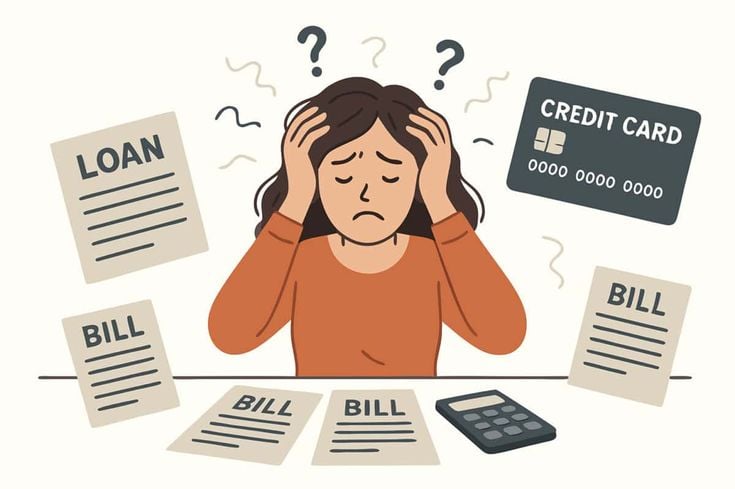
If your budget has gone completely off track, you are not alone. The majority of people set financial goals at the beginning of the year with good intentions. They will save more, spend less, stick to a budget, and avoid debt. After that, life gets busy. Unexpected bills arise, prices go up, celebrations occur, and in no time at all, the budget that seemed so ideal is just a long-forgotten spreadsheet or phone message.
The good news is that a budget is not something you create once and never touch again. It is a living plan that should change as your life changes. It’s a great time in the middle of the year to review your budget, fix your errors, and get your finances back on track before it’s too late.
The first thing to do is to get rid of the guilt feelings from the last six months. Many people shove their heads in the sand as they don’t want to know what is in their finances. Perhaps you overspent the budget. Perhaps you didn’t stay within the budget. Perhaps you didn’t save as much as you’d like. This doesn’t mean that the year is wasted. It is not successful finances if one never makes errors. It’s about identifying them in time enough to make better decisions in the future.
Then, look at your current expenses and be honest about them. Review your bank statements or mobile money transactions to check the last two to three months. You may be shocked at how much cash goes down the drain on everyday little purchases. Take-out food, online shopping, subscription services you don’t use often, and impulsive buying can take a huge bite out of your paycheck without you realizing it. It’s not about getting rid of all the things you like. The key is to figure out where you are still spending money that is not a priority.
If you understand how your money is being spent, then you need to adjust your budget to reflect this new normal. Since January, your income may have increased or decreased. Your costs may vary. You might be facing new financial responsibilities or goals. It’s always better to have a realistic budget than a big one you can’t keep up with. Make a plan for your life right now, not 6 months ago.
This can also be the moment to review your financial objectives. Consider if they are still meaningful. When you aren’t saving for vacation, make the necessary changes to your budget if that is the primary reason you were saving. Your goals should not run in conflict with your budgets.
If you don’t have an emergency fund yet, start one in the second half of the year. One of the main causes of budget failures is unexpected expenses. An emergency fund provides peace of mind, and you will be able to handle life’s surprises without debt or upsetting your long-term plans.
Another critical thing is to find a way to cut down on unnecessary costs without suffering needlessly. Financial discipline is not the same as a no-spend challenge. It refers to deliberate decision-making. Unsubscribe from magazines you don’t read, shop around before making large purchases, prepare more meals at home, and don’t buy items that are on sale. A little every day goes a long way to saving money.
Last but not least, review your budget monthly rather than just once a year. The best time to review a budget is regularly. Focusing on progress for just 15 minutes at the end of every month can help you spot problems early, celebrate your progress, and adjust your plans to avoid small problems turning into big setbacks.
The second half of the year is not about trying to be financially perfect. It’s all about being more purposeful with your finances. The budget reset is an opportunity to reconnect with where your money should go and your healthy spending habits so you can end the year stronger than you started. So, it's never too late to take charge of your finances. The best time to reset your budget is today.
Comments
Join the discussionNo comments yet. Be the first to comment.