Financial Inclusion and the Role of Mobile Credit

Not long ago, accessing credit was a long, frustrating process for many people. Traditional lending was usually based on collateral, extensive paperwork, and a formal banking history, which a majority of the population did not possess. For many small business owners, informal workers, and young professionals, the door to financial services was closed. The emergence of mobile credit has begun to rewrite that narrative today, playing a significant role in promoting financial inclusion in emerging economies.
Financial inclusion means giving more people access to useful and affordable financial services such as savings, payments, insurance, and credit. Mobile technology has enabled this on a significantly larger scale. With a mobile phone, people who were initially locked out of the formal financial system can now access digital wallets, transact, save, and even request loans in a few minutes. Financial services are now more readily accessible than they were in the past because what was once done at a physical bank can be done anywhere.
Mobile credit has been revolutionary, especially because it addresses one of the largest areas of financial participation: access to capital. Small traders, gig workers, and entrepreneurs often need quick financial support to keep their activities running. A market vendor may need extra cash to restock inventory, a small shop owner might want to take advantage of supplier discounts, or an employee may need short-term funds before payday. Mobile lending platforms allow these individuals to apply for credit quickly, with decisions often based on digital financial behavior rather than traditional collateral requirements.
This shift is powered by data. Digital lenders look beyond credit history to behavioral patterns, including transaction activity, repayment history, income consistency, and mobile money behavior. These insights help lenders assess risk more accurately and give borrowers a chance to demonstrate financial responsibility and build financial credibility. In the long run, a good repayment record may open up access to larger financing facilities and more structured financing.
For small businesses, mobile credit has become an important tool for managing day-to-day operations. Access to working capital allows entrepreneurs to maintain stock levels, handle unexpected expenses, and respond to demand quickly. Rather than waiting weeks for traditional financing approval, digital lending platforms provide faster access to funds, enabling businesses to remain agile in competitive markets.
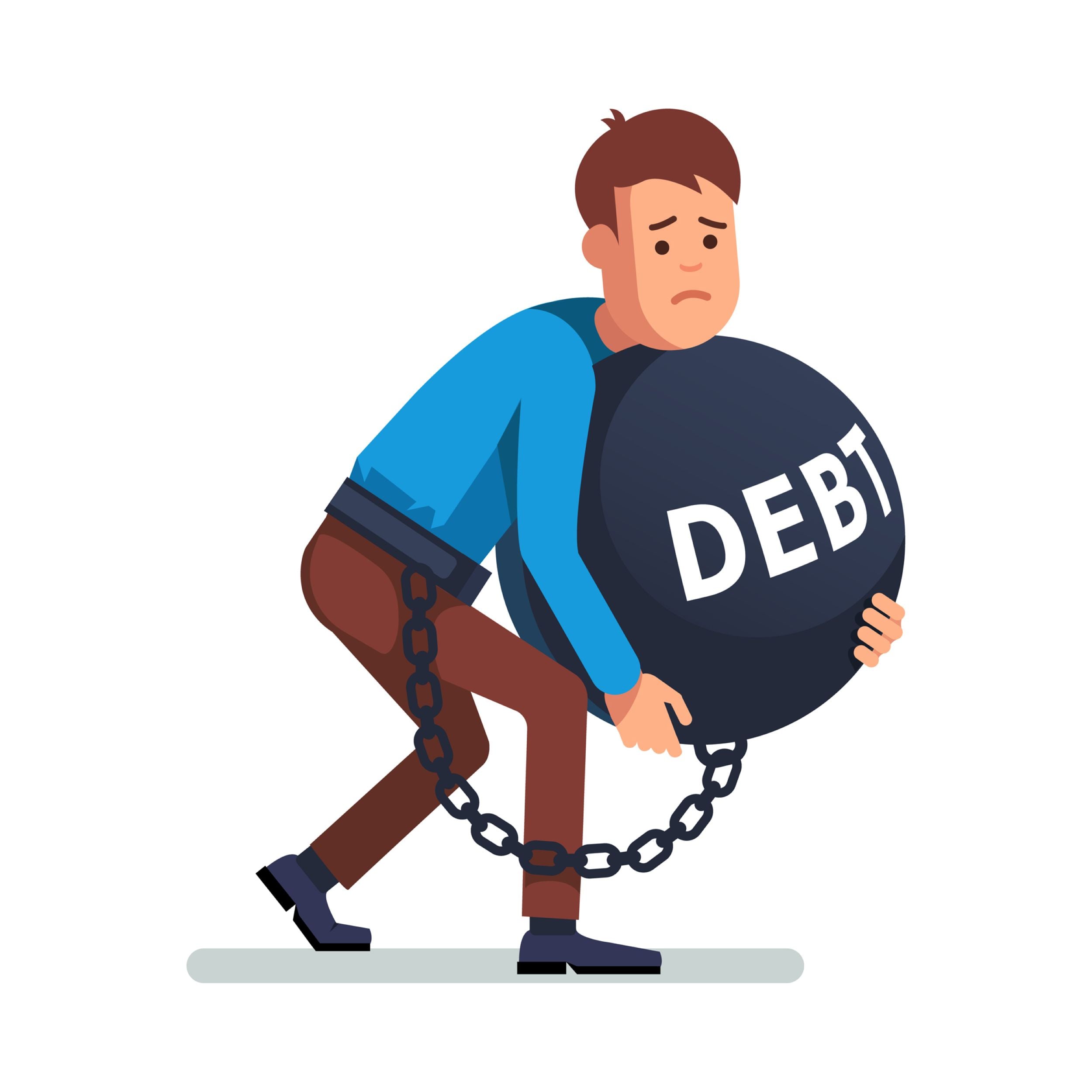
Nonetheless, the rise of mobile credit is yet another factor that points to responsible borrowing and lending. The availability of loans at an easy time is good when used for productive activities, but when borrowers take on more than they can handle, it may lead to financial strain. This is why responsible lenders are not only concerned with speed but also with affordability and sustainability. The best evaluation ensures that credit is used to generate growth, not a cycle of debt.
At Apenia, we believe that financial inclusion is about more than simply providing loans. It is about creating access to fair, transparent, and responsible digital financing that empowers individuals and businesses to grow. We use digital platforms and data-driven assessments to offer salary advances and SME loans that match real financial needs and support long-term stability.
Mobile credit has already transformed the way individuals access financial services, particularly in areas with high mobile money usage. With ever-changing technology, the chances of increasing financial inclusion will multiply. Mobile credit can fill gaps when used responsibly, open opportunities, and enable more people to engage fully in the modern economy.
Financial inclusion is not just about access to money. It is about access to opportunity, stability, and the ability to build a better financial future, and mobile credit is playing a powerful role in making that future possible.
Comments
Join the discussionNo comments yet. Be the first to comment.