Why Most People Stay Broke Even After Salary Increases and How to Break the Cycle

Getting a salary increase feels amazing at first. After all, you work hard, make more money and hope that life gets easier. It does, for a few weeks or months. Then something odd occurs. You are still not making a lot of money, but you don't feel like you're getting paid more than ever before.You feel like you're not making a lot more money, but you're still making more money than ever. The bills come in and we spend more, and all that matters is the financial strain stays the same.
This is a cycle that many people experience, and it is known as the "rush to recovery.Every individual has this experience and it is called the "rush to recovery. Lifestyle inflation. When earnings increase so does the spending, but in silence. When the new pay comes, it's the new pay, and people replace their savings with a new set of expenses.
It usually starts with small changes that feel deserved. A better apartment, buying more online, ordering out, over-priced subscriptions, vacations at the weekend or better gadgets that weren't necessary. None of these is extreme on its own, that's what makes the pattern so easy to miss. The issue is that as each new expense is added to your budget, your spending gradually increases to match your income, and you have less room to save and to build long term wealth.
There's also a lot of social pressure. Once they start making more money, many people feel they have to “look successful.” Social media only exacerbates this. Each day, individuals are presented with extravagant lifestyles, holidays, new vehicles, and designer labels that foster an obligation to keep up. Many people would rather maintain appearances than build stability by using salary increases.
Another reason why people remain broke even after they make more money is because they tend to think that they are now secure and that they need no longer to worry about money. When the cash is coming in on a regular basis, it's simple to underestimate the speed of expenses. Individuals cease to plan carefully as they believe that there will always be some money left over the following month. Unexpected expenses, debt, and bad financial habits can take a bite out of even a big income.
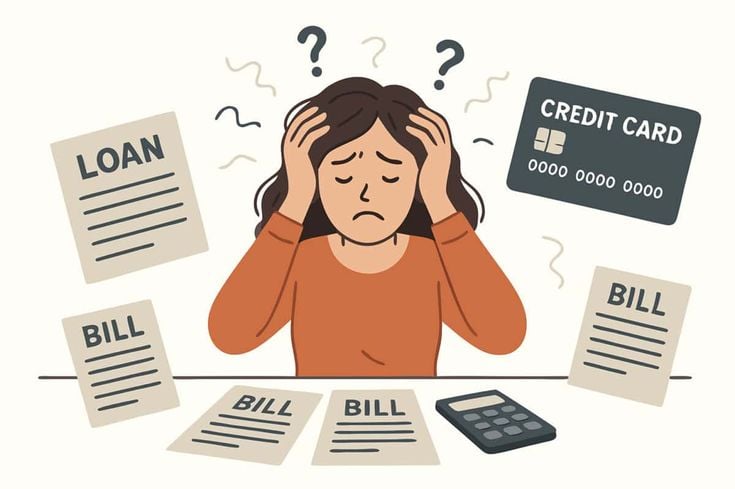
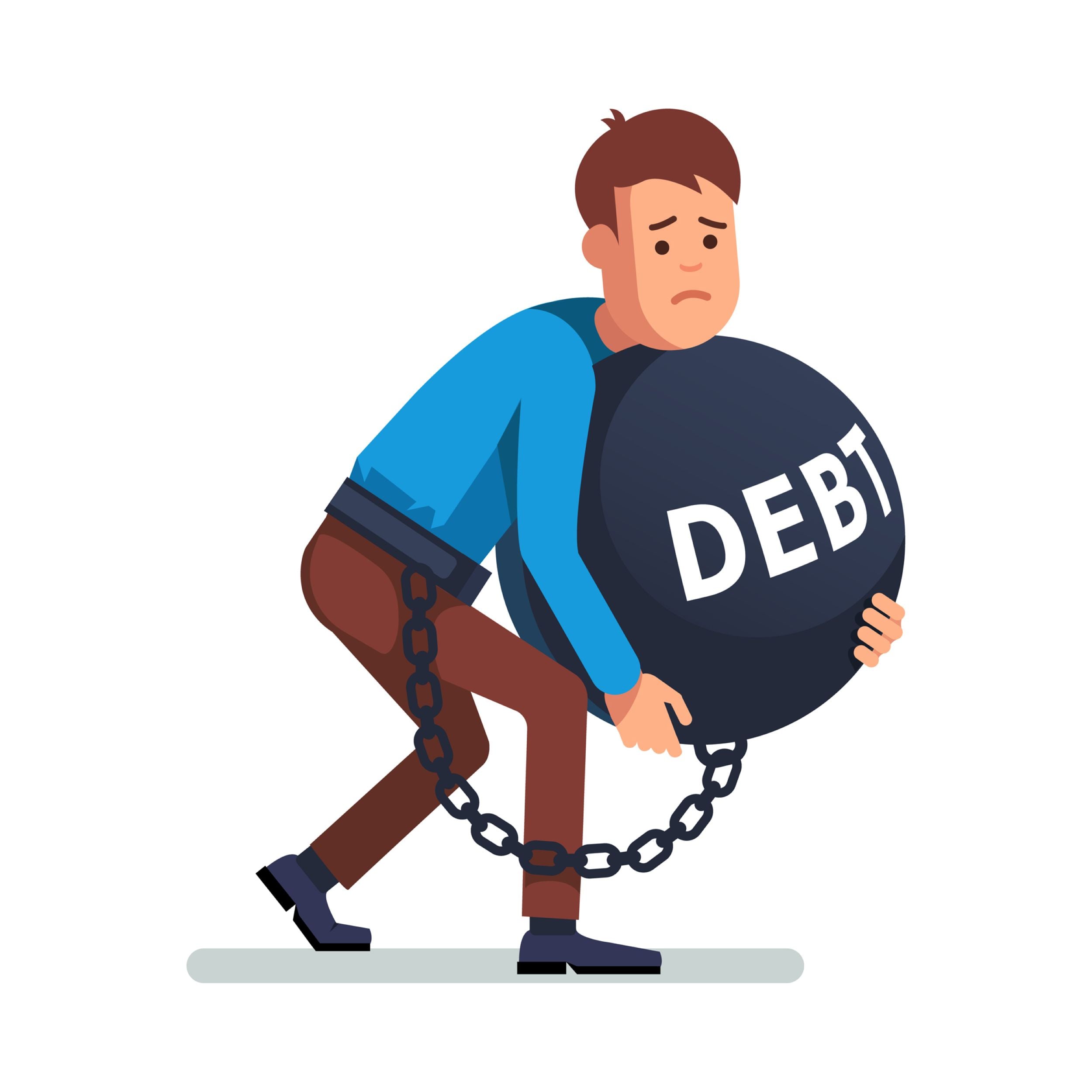
Another key factor is debt. Many people use salary increases to be able to get a bigger loan, more credit, or a higher standard of living. The additional money earned is not used to increase financial freedom, but is locked up in monthly obligations and repayments. The end effect is that he or she earns more and is just as financially bound as ever.
The reality is that an increase in income doesn't equal an increase in wealth. The key to financial stability is the difference between your income and your expenses. A moderately high income person who is frugal can save more money and create more wealth than a person who makes a lot of money, but wastes it.
Breaking this cycle requires intentional decisions. Rather than increasing your standard of living as your income rises, make your savings, investments, and your financial security, your first priority. Over time, these small steps can add up to a huge impact when you're sticking to your financial plan.
A salary increase should improve your future, not just your spending habits. Those who really make money aren't necessarily the ones who make the most money! They are usually the ones who know how to get the best out of what they have.
Comments
Join the discussionNo comments yet. Be the first to comment.