The Everyday Habits That Quietly Destroy Your Finances

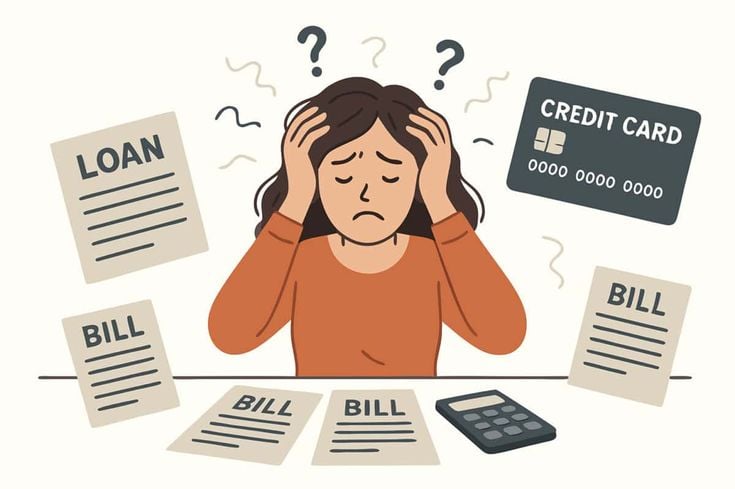
Most financial problems do not begin with one massive mistake. They typically begin with simple, seemingly inconsequential habits that they can incorporate into their daily routines. Just one quick online purchase, frequent dining out, disregarding the budget for “just this once” or waiting till next month to save. These habits seem like they're normal and are a daily occurrence, but over time, they slowly erode your resources and make it tougher to create solid financial stability.
One of the biggest financial traps is impulse spending. Purchase of things is very easy with modern technology. Purchasing with saved cards, mobile payments, and one click checkout, there's almost no delay between what you want and what you buy. Emotional spending goes on in many people's lives without being noticed. Needless spending can happen when the mind is overwhelmed with stress, boredom, excitement or social pressure, and it just accumulates over time.
One sneaky money-problem can be living without a budget. Many people are familiar with the amount of money that they make, but they don't know where most of their money goes. It is easy to ignore small costs since they occur so frequently. Money is spent on daily snacks, ride hailing apps, subscriptions, online shopping and entertainment, etc. which slowly eats away your savings or investment.
Subscription services have also emerged as one of the largest undisclosed cost burdens on individuals' finances. Typically, streaming services, premium apps, fitness memberships, cloud storage and other recurring payments keep going even after usage has ceased. These payments are automatic, and are easy to forget to pay if they're no longer needed.
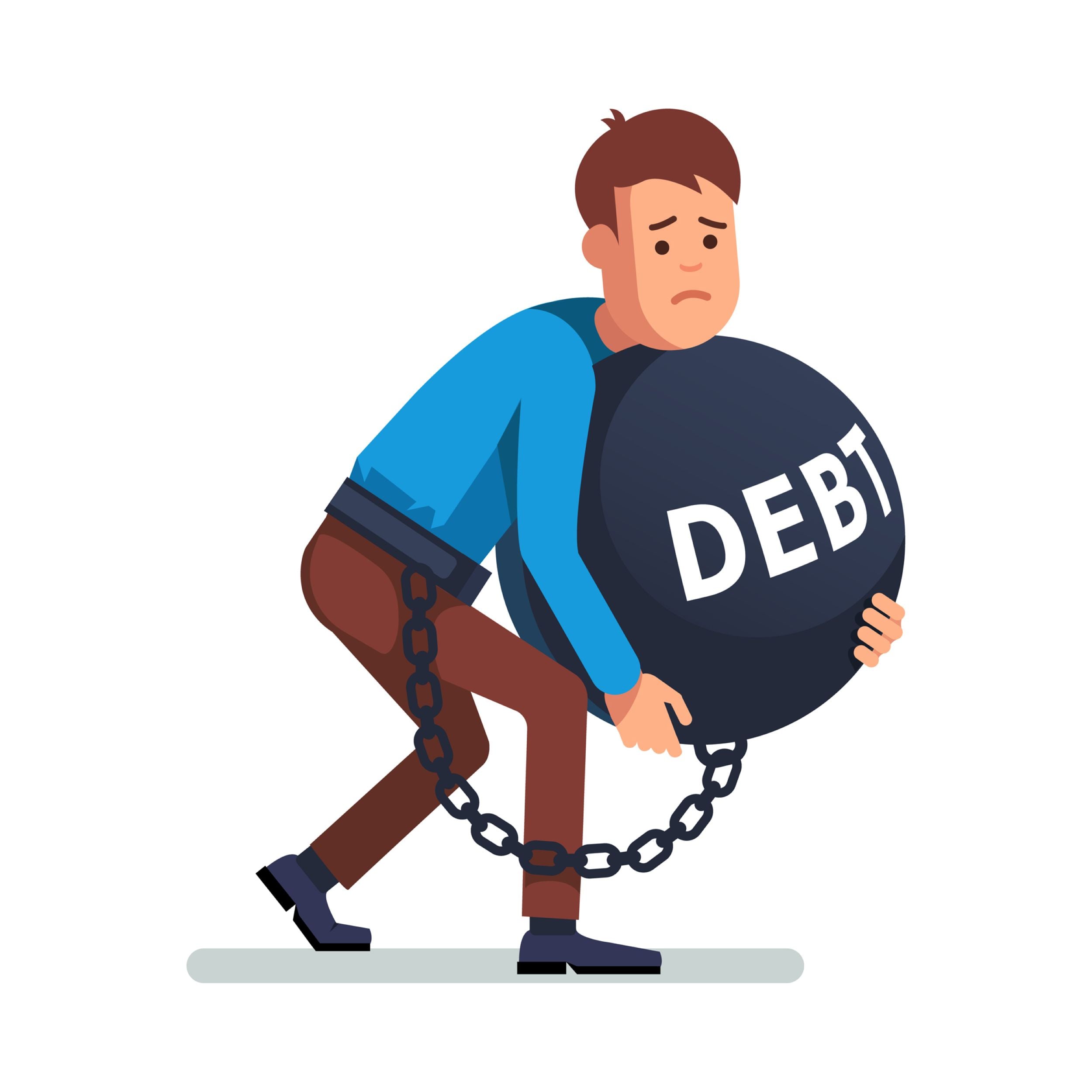
The other hazardous one is using debt as a convenient source of funding. Many people accept borrowing, even for things that they don't really need, or using credit to 'afford' a lifestyle that they cannot really afford. Debt is sometimes necessary but when you rely on it for your daily needs then it becomes hard for you to get rid of it as it puts you under financial strain.
Another such financial foe is lifestyle inflation. Generally, an increase in income leads to an increase in spending. People don't save or invest further but they focus on upgrading their lifestyles. It gets to the point that better phones, more expensive apartments, luxury items and eating out become the norm. Many people, even those with higher income, are still finding themselves in a financial bind as the cost of living is also increasing.
Spending too long not saving is another bad habit that has a long-term impact. Tons of people say they will begin to save more when they make more, but it doesn't just happen. The longer you delay saving, the more difficult it will get to establish financial security. Any small, regular savings will make a difference since it adds discipline and lets money accumulate over time.
A lack of financial education may also leave people in place. People work for years and years on end to earn the money, but don't learn how the money works. Budgeting, debt management, investing and financial planning is one of the most important skills anyone can have. Being financially uneducated makes it more likely to make choices that are right for now, but wrong for the future.
In reality, financial success doesn't always hinge on one big decision. Typically the consequence of minor things that happen over time. Just like bad habits are slowly eroding and hurting the body, bad money habits are slowly eroding and hurting the finances. The bright side is that things can shift positively with your finances over time, too, if you make small changes. Sometimes the first step toward long-term stability and freedom is to become more intentional with financial decisions.
Comments
Join the discussionNo comments yet. Be the first to comment.