The True Cost of Convenience and How Digital Spending Habits Are Draining Your Money

Today, we live in a world where practically anything is just a tap away. We can get food in minutes, shop online in seconds, and subscribe to magazines without realizing they’ve renewed. We can get food in minutes, order online in seconds, and pay for magazines without realizing they have renewed. Never was convenience easier or quicker. With technology making our lives easy, it has also been altering the way we spend our money, and we are unaware of it.
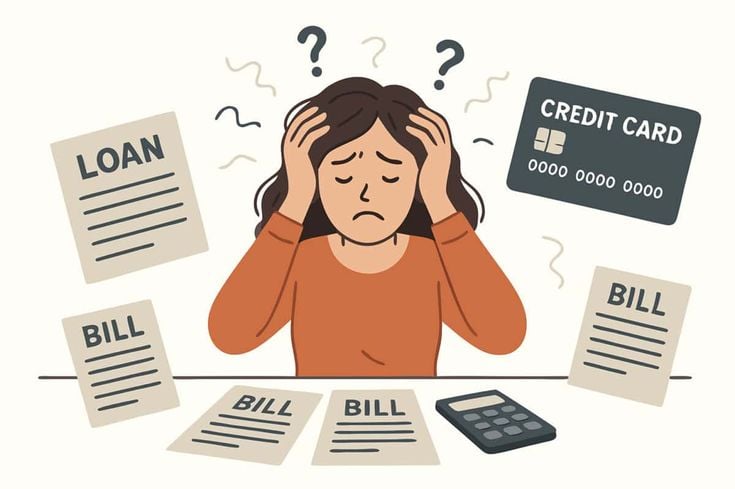
The issue with online purchases is that they don’t feel like purchases. Giving cash directly provides a moment of awareness, as you can actually see your money leaving your hands. With digital payments, the emotional aspect is removed. Making a purchase can feel invisible when it happens with a tap, a saved card, or an automatic payment. Soon, the small number of transactions quickly adds up to a respectable total.
Consider how many choices you make based on convenience. You’re tired, so you order something to eat rather than cooking it yourself. Subscription services for several streams are of little use. Making an online purchase since the checkout process only takes 1 minute. None of these decisions appears to be a huge issue on its own; that’s what makes them so risky. People today shop in ways that rely on seamless experiences meant to make shopping look easy.
One of the biggest hidden expenses in the digital age is subscription fatigue. Many people sign up for free trials and leave them active without canceling. Others keep paying for apps they aren’t using, memberships, or services they don't use. These automatic payments become part of the normal routine. A seemingly innocuous monthly fee can add up to a high yearly cost.
Social media has also reshaped how people spend, in significant ways. People see influencers, ads, targeted ads, flash sales, and lifestyles pushing them to consume more every day. Fear of missing out is a primary factor behind impulse purchases, even when they are not needed. Consumers are no longer just buying because they need it; they’re buying because they feel it, it’s convenient, or they’ve compared it to something else.
Mobile payments and digital wallets have made spending even quicker. These tools are extremely helpful but may contribute to the concept of “fast food thinking.” The desire-to-own interval is virtually closed. This makes it easier to overspend without thinking about whether your purchase will really enhance your life.
Convenience isn’t evil, though. Indeed, digital finance tools have made significant strides in efficiency and accessibility. The secret is learning to live with money with a purpose in a society geared towards spending it. Just some basic steps, such as regularly checking subscriptions, setting spending limits, tracking your spending, and waiting before purchasing on impulse, can go a long way.
Convenience comes at a cost, and it can be as small as a few trivial habits in the digital world. The more you understand your spending habits, the better you will be able to get a handle on them. Financial freedom isn’t about avoiding technology and convenience. It’s about ensuring your dollars aren’t spent on things you don’t care about, but instead on your priorities.
Comments
Join the discussionNo comments yet. Be the first to comment.