Half the Year Is Gone. Ask Yourself These 7 Money Questions Before June Ends

It is hard to believe, but half the year is already gone. Remember those financial goals you set back in January? Perhaps you had made resolutions to save more, pay off some debt, follow a budget, or finally invest. If you are like most people, life happens. Costs arose, priorities changed, and some of those objectives may have slipped to the bottom of your priority list.
The good news is that June is the perfect time for a financial reset. It's not too late to assess your progress at the end of the year. Mid-year money check-up can help you determine what you are doing well, what isn't working well and how you can make changes to finish out the year stronger than you started it.
The first question you ask yourself is if you're intentional or just reacting to life. Spend some time to reflect on your expenses in the past few months. Do your purchases reflect your priorities or have convenience and impulse buying gotten the best of you? The first step towards making better financial decisions is to know where your money is going.
The second is, have you achieved the progress you've made toward your savings objectives? A lot of people make new year's resolutions but can't follow through. If you are not making progress on your savings, don't get stuck in what you are not doing. Now and then, concentrate on your positive actions. Simple, regular investments can make a difference over the course of the year.
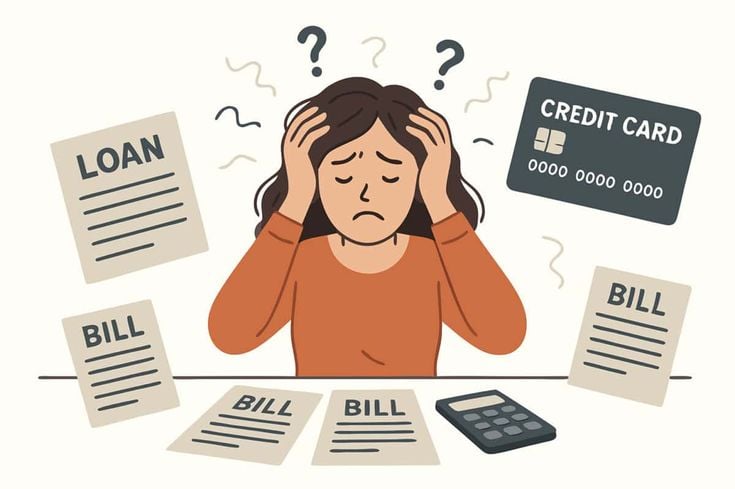
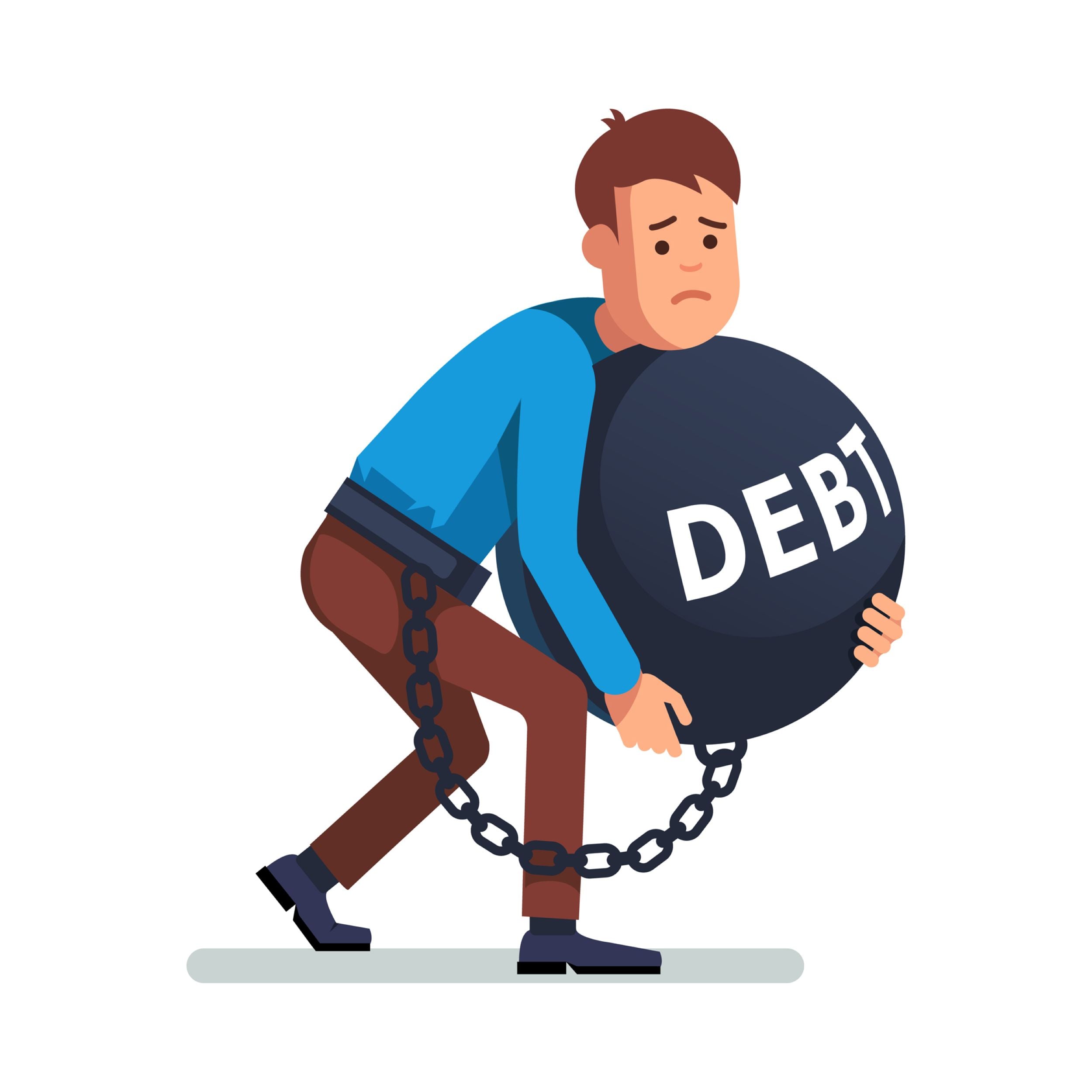
Third, how much more debt do you have than six months ago? Debt can be a good thing, but it should be for a purpose. Understand what your balances are, how you're doing with repayments and if your current debt is working for or against your long-term financial goals.
The fourth question is, "If a large expense were to come due right now, could you afford it? Having an emergency fund is one of the strongest signs of your financial health. If having to make a large repair on your car, or having to do a lot of medical expenses, or suddenly losing income would create a crisis, it might be time to focus on creating a financial cushion.
Then take a moment to reflect on whether your income is up this year and how that new income has been used. Lots of individuals get promotions, bonuses, or extra earnings, and then they end up spending the extra money at the same rate. If you have an increase in your income, ensure that you have a corresponding increase in your investments and savings.
The sixth question is the relevance of your financial goals. Circumstances change. A target you had in mind in January might not match your priorities now. It's okay to reassess and modify goals. It's a symbol of financial maturity and versatility.
Finally, ask yourself whether you are actually closer to financial freedom than you were at the start of the year. Financial progress is not just about income. It's not about less stress, more control, and more confidence. If it's not, then use the rest of the year to deliberately make a change.
A mid-year financial review is not about judging yourself. It's all about becoming clear. The people who achieve their financial goals are not necessarily the ones who never make mistakes. It's they that stop, reflect on their journey, and adapt their route when necessary. There is still time to make much-needed changes that can put your finances on a better path for the end of the year.
Comments
Join the discussionNo comments yet. Be the first to comment.