Why Saving Money Is So Hard and How to Build a Savings Habit That Actually Lasts

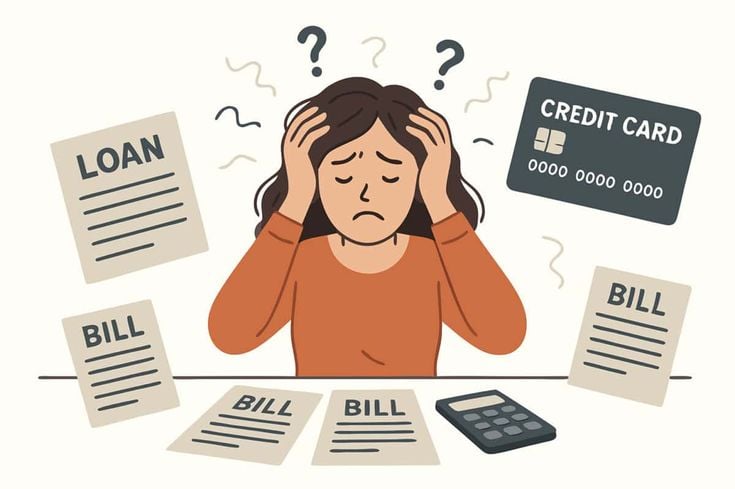
Almost everyone agrees that saving money is important. We know we need an emergency fund, we need to save for things that may happen; we know that we need to save for future goals. But even with this intent, many people are not successful at saving regularly. Lack of knowledge isn't the problem. We all know we should save “most” of us. The real challenge lies in understanding why saving feels so difficult in the first place.
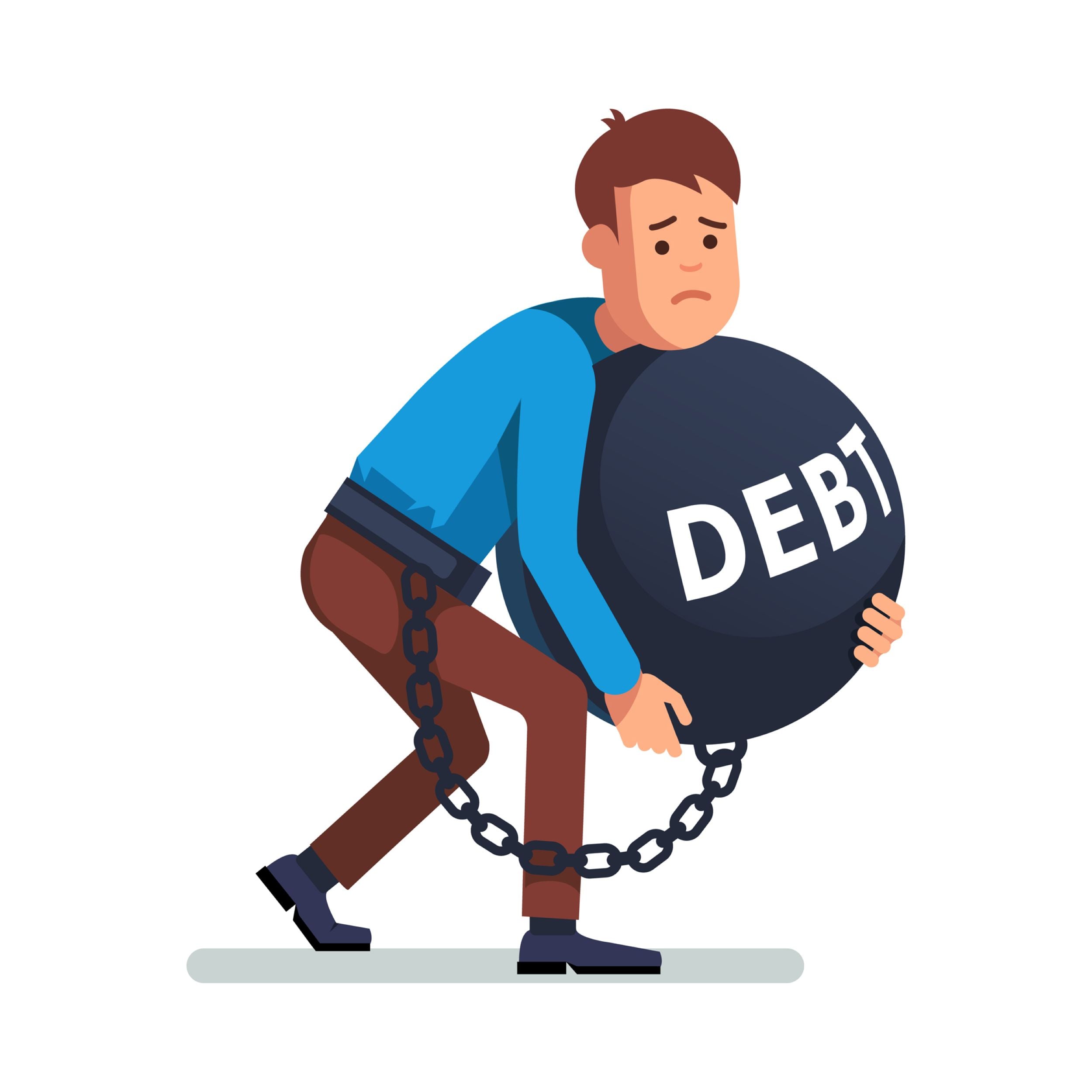
The nature of human beings is such that immediate rewards are more important than future benefits. This is referred to by psychologists as present bias. In other words, it's easier to feel good about spending money now than putting it away for a later version of ourselves. It's instant gratification. Saving money, on the other hand, can sometimes seem like a sacrifice in the present time for a benefit that might be months or years away.
That's why so many savings plans don't last long. Everyone begins with good intentions, high savings goals, and vows to be disciplined. Saving is easy to put off, however, when unanticipated expenses occur or appealing chances come up. One contribution is missed and the next one follows and before long the original savings objective is not remembered.
Another common mistake is trying to save whatever is left at the end of the month. In most cases, there is little to no money left. Spending always goes up when people have more money to spend, and saving comes second. The savers who are most successful do just the opposite. They save money first and then spend it; not the other way around.
The downside of setting unrealistic goals can also undermine progress. If someone who has never saved consistently, decides to save half of his income in one day. It is a very good idea in theory, but hard to maintain change. If the target seems unattainable, so does the motivation to reach it. It's like developing a fitness routine when you're learning to save money. It's consistency, not intensity.
Many people also make the mistake of saving without a clear purpose. If you can tie your money to a purpose, it's more likely you will stick to it. Saving is more satisfying and less a restriction when you have a reason to save – whether it is to own a home, launch a business, pay for education, travel your dream vacation or save for an emergency fund.
Automation is one of the best ways to establish a long-term savings routine. If you have your money moved to your savings automatically, that's out of your head. You no longer need to will yourself to stick to a diet each month. Rather, saving becomes part of your financial habits.
Progress monitoring can work as a motivator too. It's important to build up momentum and reinforce positive behavior by witnessing the growth of your savings, even if it's slow. Small wins increase confidence and make it more sustainable over time.
Saving money is more than a financial dilemma. This is a psychological one. Knowing the habits, emotions and behaviors that drive spending can go a long way. Merely good intent is not sufficient. Realistic goals, consistent actions, and systems that make it easier to be successful are the foundation of lasting savings habits.
Those who do become successful savers are not always the wealthiest individuals. Most often, they're the ones who know how to save money on purpose, automatically, and in ways that will last a lifetime. Those little, regular payments add up to a great deal over time. They turn into monetary safety, monetary peace, freedom of choice.
Comments
Join the discussionNo comments yet. Be the first to comment.